Nikkan Kyusyu Home

Category

Food & Culture

28 articles

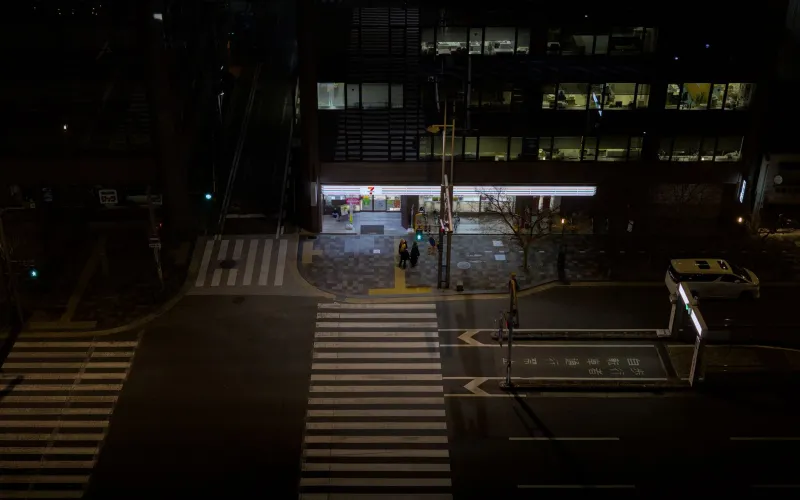
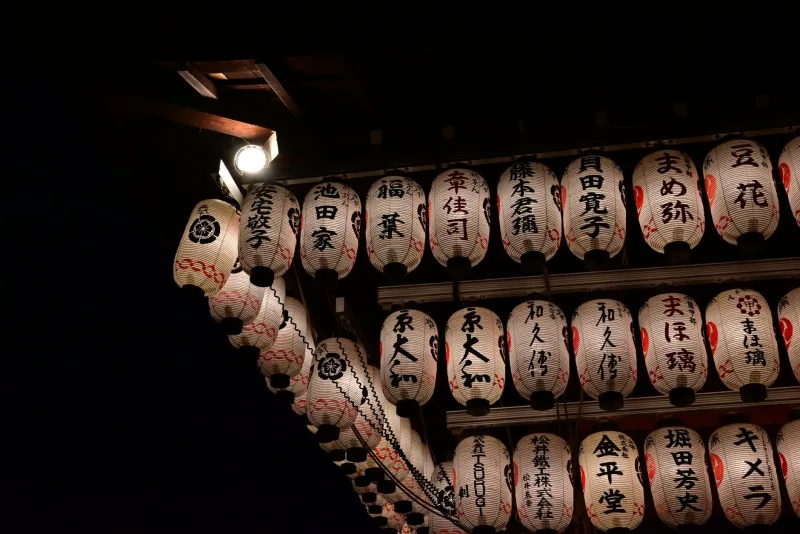
When the Rest of the City Sleeps: A Night Spent Inside Kyushu's After-Dark Economy

When the Rest of the City Sleeps: A Night Spent Inside Kyushu's After-Dark Economy

Long after the last train runs and the izakayas close their shutters, a whole other version of Kyushu comes to life. Convenience store clerks, ramen cart vendors, pachinko floor staff, hospital nurses — meet the people keeping everything running while you're asleep, and hear what they think about a world that barely notices them.

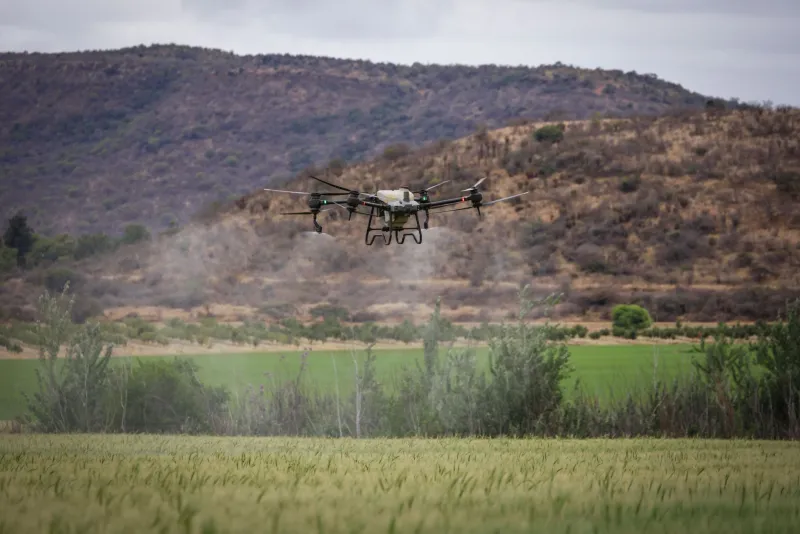
Underdog Nation: How Being Left Behind Turned Kyushu Into Japan's Weirdest, Wildest Idea Lab

Underdog Nation: How Being Left Behind Turned Kyushu Into Japan's Weirdest, Wildest Idea Lab

Kyushu has spent decades being overlooked by Tokyo's economic machine — and that neglect might be its greatest competitive advantage. From AI-powered rice paddies to tourism models that would make a McKinsey consultant cry, the region is quietly rewriting what Japanese innovation looks like. The real question is whether it can stay weird once the world starts paying attention.

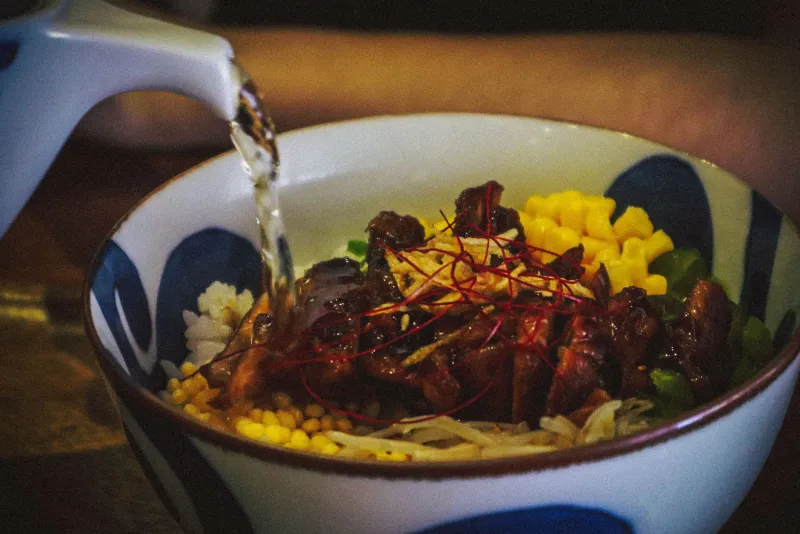
American Chefs Are Losing Their Minds Over Kyushu Ingredients — Here's Why

American Chefs Are Losing Their Minds Over Kyushu Ingredients — Here's Why

Something is happening in restaurant kitchens and food influencer circles across the US: Kyushu's hyper-local specialty ingredients are showing up everywhere, from Brooklyn tasting menus to Los Angeles farmers' markets. We tracked down the small producers, traders, and passionate food nerds making it happen.

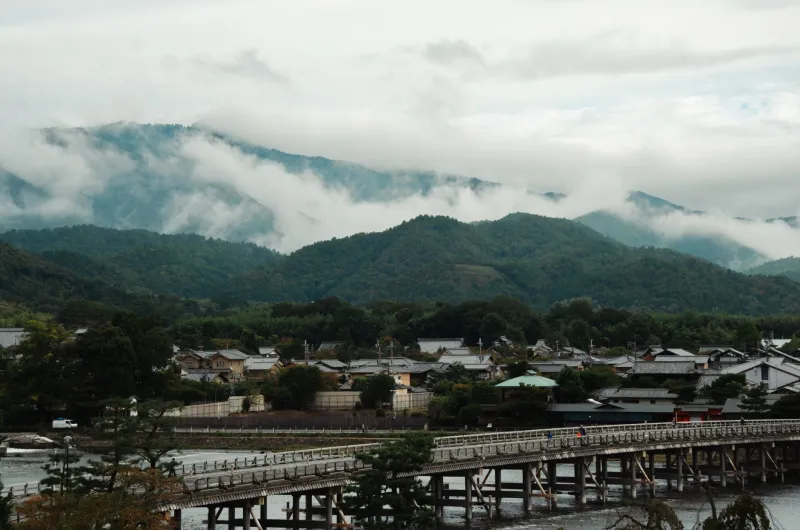
Close to Everything, Far From All of It: The Strange, Magnetic Pull of Kyushu

Kyushu sits at the southwestern edge of Japan, technically well-connected by bullet train and ferry routes — yet somehow it feels like a completely different country. Residents, historians, and wide-eyed newcomers all say the same thing: once you get here, the rest of Japan starts to feel like a rumor. We went looking for why.

Famous Everywhere But Home: Kyushu's Brain Drain Problem Isn't Going Away

Kyushu is having a genuine cultural moment — internationally recognized, creatively buzzing, and increasingly on the radar of travelers and tastemakers worldwide. So why do its most talented young people keep packing their bags for Tokyo? We went looking for answers and found a paradox nobody has quite figured out how to fix.

They Had the Corner Office. They Chose the Tea Field Instead.

They Had the Corner Office. They Chose the Tea Field Instead.

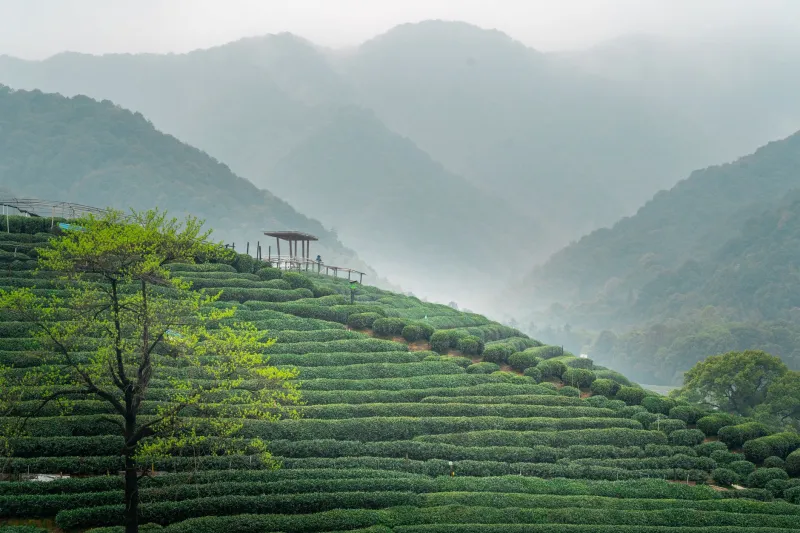
A handful of Americans have quietly traded conference calls for mountain mist, swapping careers in finance and tech for the slow, deliberate work of growing specialty tea in Kyushu's highland valleys. They didn't come looking for a hobby — they came looking for a life. And somehow, they're also helping save an industry.

These Kyushu Grandmas Went Viral for Picking Weeds — Now the Whole World Is Watching

These Kyushu Grandmas Went Viral for Picking Weeds — Now the Whole World Is Watching

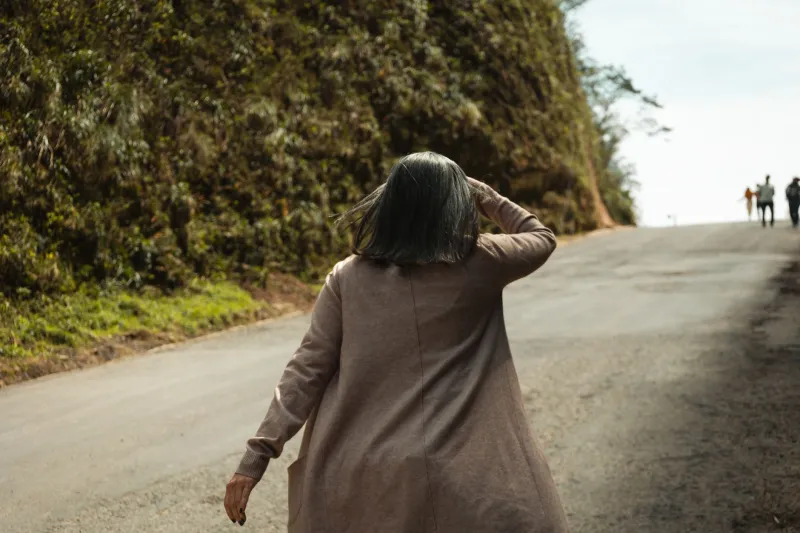
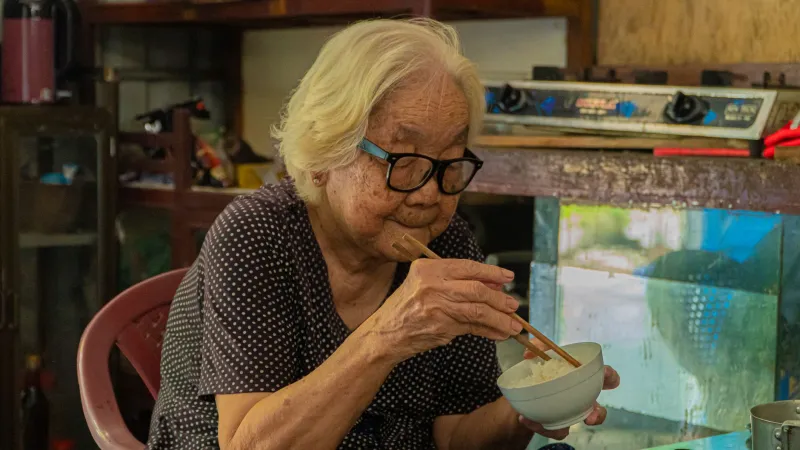
Somewhere between a mossy hillside in Oita and a comment section full of people asking 'wait, can I eat THAT?', a quiet revolution is unfolding. Elderly women from Kyushu's rural communities have stumbled onto something the internet desperately needed — real, unfiltered knowledge about the living world around us. And they have no idea how big they've gotten.

Still Standing Watch: The Men and Women Who Refuse to Let Kyushu's Lighthouses Go Dark

Still Standing Watch: The Men and Women Who Refuse to Let Kyushu's Lighthouses Go Dark

Japan has been quietly switching off the human side of its coastal infrastructure for decades, but a stubborn few along Kyushu's windswept peninsulas haven't gotten the memo. We spent time with the lighthouse keepers who are holding their ground — and found out what's really at stake when a machine takes over a job that was never just a job.

Smell Like Kyushu: The Tiny Perfume Ateliers Bottling a Region's Soul

Smell Like Kyushu: The Tiny Perfume Ateliers Bottling a Region's Soul

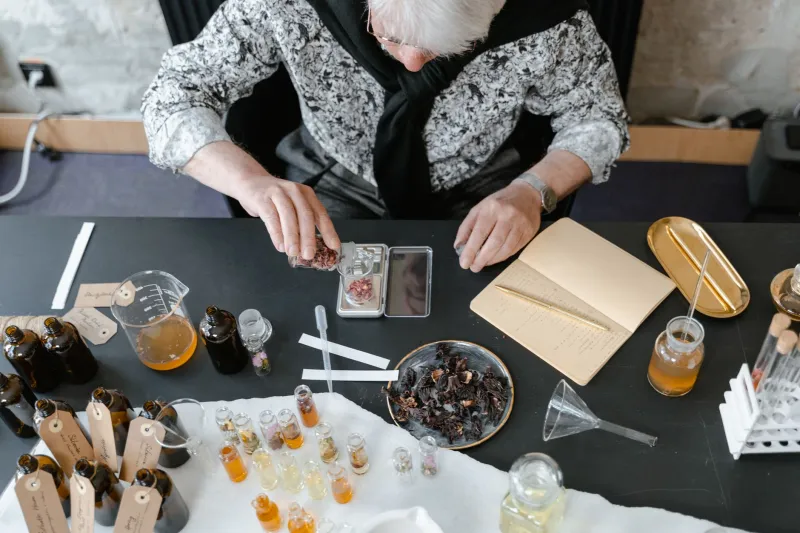
Forget Paris. A quiet revolution in handcrafted fragrance is unfolding across Kyushu, where small-batch perfumers are drawing from sacred forests, volcanic soil, and centuries-old Shinto ritual to create scents the rest of the world simply cannot replicate. International collectors are already taking notice.

Sharp Enough to Ship Worldwide: The Village Bladesmiths Cutting Out the Middleman

Deep in rural Kyushu, a handful of blacksmiths are quietly building international fan bases one Instagram reel at a time. They're not selling through department stores or Tokyo distributors — they're shipping hand-forged knives directly to home cooks in Portland, Paris, and everywhere in between. And the old gatekeepers are starting to sweat.

Home Is a Two-Hour Flight Away: Meet the Tokyo Workers Who Chose Kyushu

A growing number of Tokyo professionals have done something their parents would have found genuinely baffling: they moved their families to Kyushu and kept their big-city jobs. Every week or two, they board a flight back to the capital like it's a subway ride. It's expensive, occasionally exhausting, and more people are doing it every year.

The Gods Can Wait: Young Kyushu Heirs Are Walking Away From Sacred Inheritances

Across Kyushu, a quiet reckoning is unfolding at the gates of some of Japan's oldest Shinto shrines. The children of hereditary priests are choosing careers, cities, and lives their ancestors never imagined — and the communities left behind are having to get creative. It's a story about devotion, identity, and what tradition actually owes the people it's passed down to.

Nobody Owns the Chicken: Inside Kyushu's Deliciously Petty Prefectural Food Feuds

Nobody Owns the Chicken: Inside Kyushu's Deliciously Petty Prefectural Food Feuds

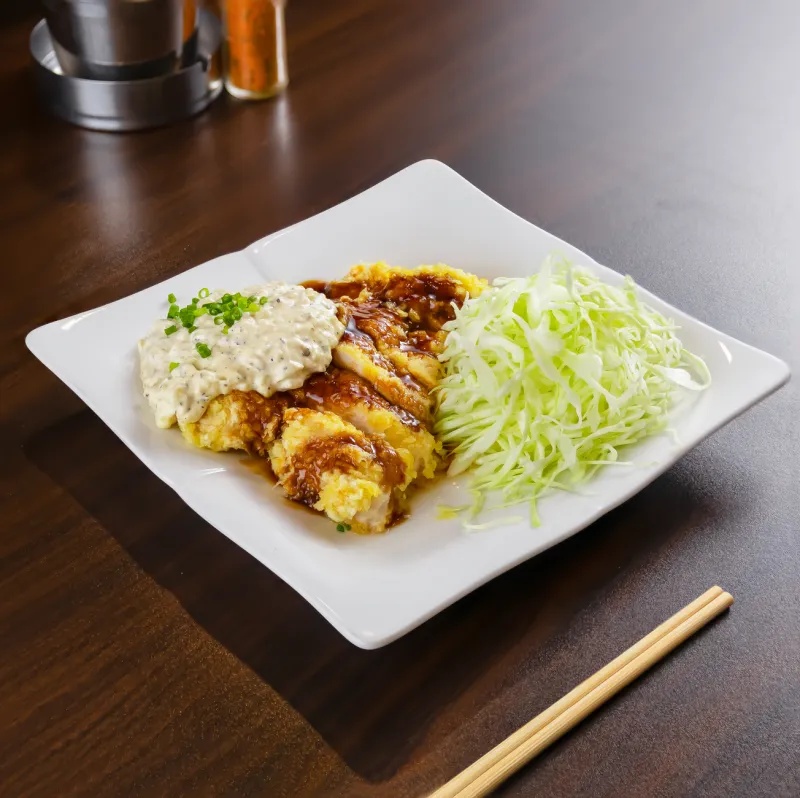
Ask a Miyazaki local who invented chicken nanban and you'll get a very confident answer. Ask someone from Oita the same question and brace yourself. Across Kyushu, regional food rivalries run deep, loud, and occasionally hilarious — and they reveal something genuine about how Japanese communities hold onto identity.

Clay and Conscience: Meet the Kyushu Potters Rewriting What Ancient Ceramics Can Look Like

Clay and Conscience: Meet the Kyushu Potters Rewriting What Ancient Ceramics Can Look Like

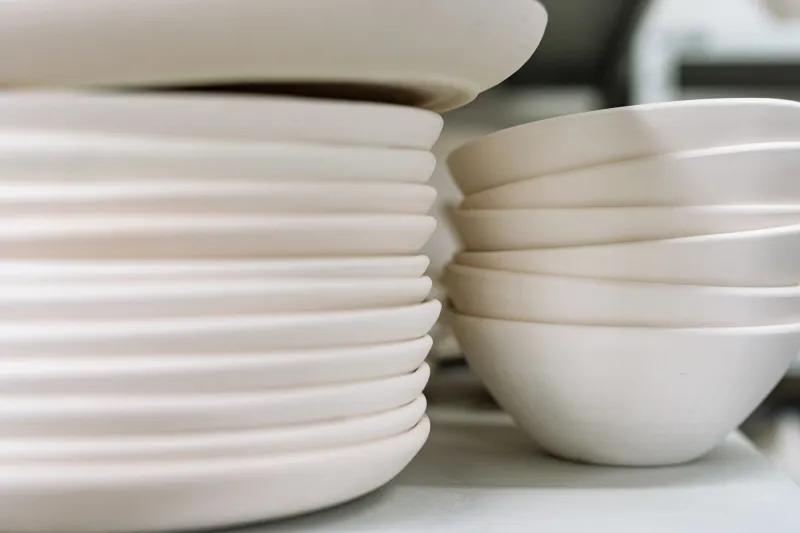
In the kiln towns of Saga Prefecture, something quietly radical is happening. The same soil that produced the porcelain that once stunned European royalty is now being shaped by a new generation of artists who have one foot in a 400-year-old tradition and the other planted firmly in a global design conversation that values restraint, sustainability, and the kind of beauty that doesn't shout.

Elbow Room and Ramen: How Fukuoka's Yatai Stalls Became Japan's Great Equalizer

Elbow Room and Ramen: How Fukuoka's Yatai Stalls Became Japan's Great Equalizer

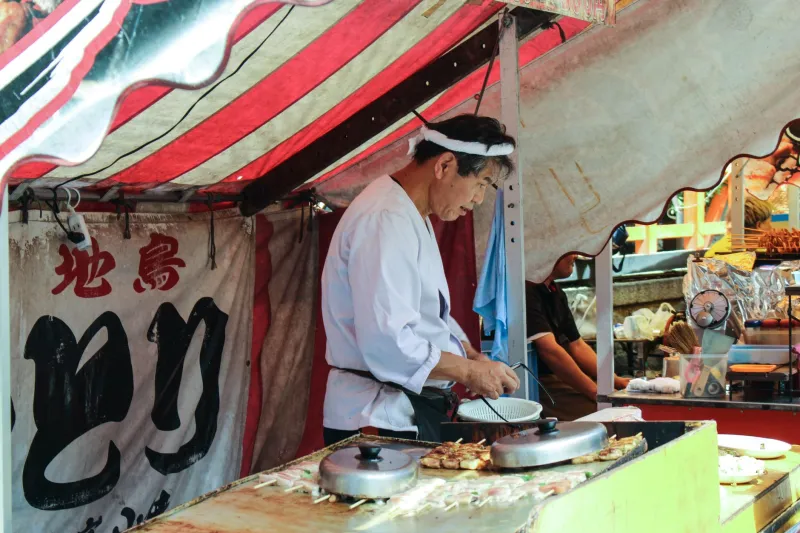
In Fukuoka, a city that takes its street food seriously, tiny mobile kitchens called yatai have been feeding everyone from corporate executives to backpacking students for centuries. These open-air stalls aren't just places to grab a late-night bowl of tonkotsu ramen — they're a masterclass in how food can dissolve social boundaries. Here's why American food lovers should pay attention.